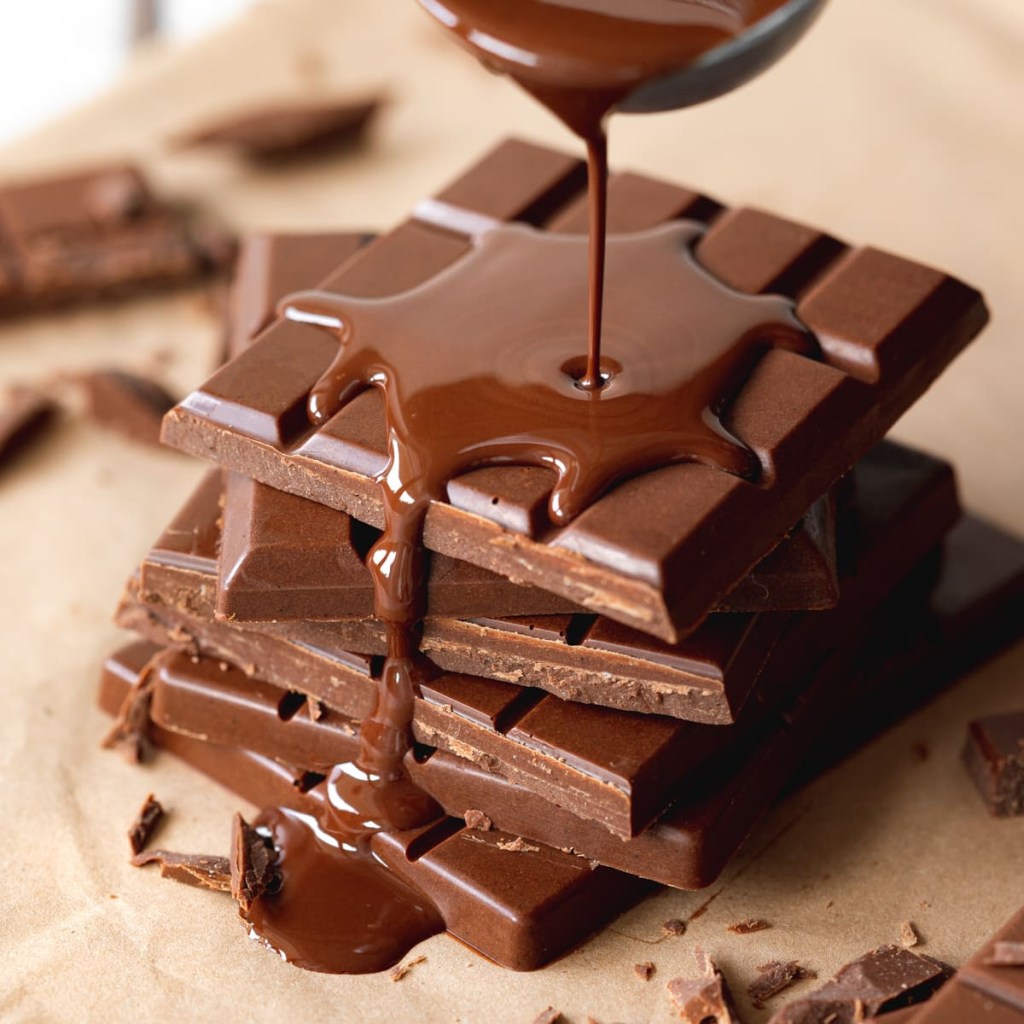
Chocolate is a beloved treat enjoyed worldwide, and understanding its various types can enhance both culinary creations and tasting experiences. The primary categories of chocolate are dark, milk, white, and ruby, each distinguished by their ingredients and flavor profiles.
Dark Chocolate
Dark chocolate is characterized by its rich, bittersweet flavor, resulting from a higher percentage of cocoa solids and cocoa butter, with little to no milk solids. In the United States, the FDA mandates that dark chocolate must contain at least 35% cacao and less than 12% milk solids. Dark chocolate is further divided into bittersweet and semisweet varieties. Bittersweet chocolate typically has a higher cocoa content and is less sweet than semisweet chocolate. These types are commonly used in baking recipes like ganache, mousses, truffles, and puddings.
Milk Chocolate
Milk chocolate is known for its smooth, creamy texture and sweeter taste, achieved by incorporating milk solids and higher sugar content. According to FDA regulations, milk chocolate must contain at least 10% chocolate liquor, 3.39% milk fat, and 12% milk solids. Due to its sweetness, milk chocolate is not suitable as a substitute for dark chocolate in recipes. It is ideal for making dipping sauces, pastry creams, and various confections.
White Chocolate
White chocolate is unique in that it does not contain cocoa solids, relying solely on cocoa butter, sugar, and milk solids for its composition. This absence of cocoa solids results in a flavor profile distinct from other chocolate types. Despite lacking cocoa solids, white chocolate is still classified as chocolate due to its use of cocoa butter. It is commonly used in confections and as a coating for various treats.
Ruby Chocolate
Ruby chocolate is a relatively recent addition to the chocolate family, introduced in 2017. It is made from specially processed cocoa beans that impart a natural pinkish-red hue and a unique berry-like flavor. Ruby chocolate contains a blend of cocoa solids, cocoa butter, milk solids, and sugar, and is often used in gourmet confections and desserts.
Couverture Chocolate
Couverture chocolate is a high-quality chocolate with a higher percentage of cocoa butter (32–39%) than standard chocolate, resulting in a glossy finish and smooth texture when tempered properly. It is primarily used by professionals for coating, molding, and garnishing due to its excellent workability and finish.
Compound Chocolate
Compound chocolate is a more affordable alternative to traditional chocolate, made by substituting cocoa butter with vegetable fats. While it lacks the depth of flavor found in real chocolate, compound chocolate is easier to work with and is commonly used for candy coatings and other applications where cost is a factor.
Modeling Chocolate
Modeling chocolate is a pliable mixture of chocolate and corn syrup, used primarily for cake decoration. It can be rolled, molded, and shaped to create intricate designs and figures, offering a versatile medium for pastry artists.
Conclusion
Each type of chocolate serves distinct purposes in culinary applications, from baking and confections to decorative arts. Understanding these differences allows for more informed choices in both professional kitchens and home baking endeavors.

